


The Complete Guide to Choosing a Kids Water Bottle
Most kids water bottles fail the same way. Not with a dramatic crack or a visible defect – just a slow slide into inconvenience. The lid gets stiff. The seal stops holding. The water isn't cold by lunch. The child stops reaching for it.
Getting it right the first time comes down to five things: material, insulation, whether the bottle is genuinely leakproof or just marketed that way, the right lid for your child's age, and the right size for their routine. This guide covers all five – clearly, without the noise – so you can make one good decision instead of three frustrating ones, whether the bottle is heading to school, a sports bag, or just the kitchen counter.
Why Most Kids Water Bottles Don't Last
The most common reason a kids water bottle stops being used isn't that it broke – it's that it became inconvenient. A lid that's too hard to open independently. A bottle that's too heavy when full. A seal that leaks in the bag, once, and never gets trusted again. A design the child never really liked.
Each of these is a solvable problem at the point of purchase. The right bottle for a 4-year-old is different from the right bottle for a 9-year-old – in size, in lid complexity, in capacity, and in how much independence the child can be expected to manage. Most parents buy based on what looks good or what's on sale, rather than what matches their child's actual routine.
The best kids water bottle is the one your child uses consistently – not the most expensive one, or the most feature-packed one. Matching the bottle to the child's age and routine is the single most important decision.

What to Look For in a Kids Water Bottle
These are the five criteria that separate kids water bottles that last from ones that get replaced:
1. Material – Stainless Steel or Plastic
Material is the first and most important decision. Plastic kids bottles are lighter and cheaper, but they have a predictable lifecycle: fine at first, then the body develops micro-cracks under repeated drops, the inside absorbs flavors and odors from prolonged use, and the lid seal weakens over months of daily opening and closing. Most parents replace plastic water bottles every school year.
Stainless steel kids water bottles – specifically 18/8 food-grade steel – hold up differently. The body doesn't crack, doesn't absorb odors or flavors, and doesn't leach anything into the drink. Combined with proper insulation and BPA-free lids and straws, a stainless steel kids water bottle is genuinely a one-time purchase that outlasts multiple school years. The higher upfront cost almost always works out cheaper over time.
2. Insulation – Does It Actually Keep Drinks Cold?
Single-wall bottles – whether plastic or stainless – do almost nothing to maintain drink temperature. Water that goes cold in the morning will be warm before lunch. Most children won't drink warm water willingly, which means a single-wall bottle is functionally useless for most of the school day.
Triple-wall or double-wall vacuum insulation creates a gap between the inner and outer walls that prevents heat transfer in either direction. A properly insulated kids water bottle keeps water cold from morning drop-off through the end of after-school activities – no ice packs, no thermos. For a bottle that lives in a school bag or sports bag all day, this is not optional.
3. Leakproof Design – Not 'Spill-Resistant', Actually Leakproof
There is an important distinction between leakproof and spill-resistant. A spill-resistant lid reduces drips when the bottle is upright and tilted – it does not seal the bottle during transport. A leakproof bottle holds its seal when lying sideways in a backpack pocket, upside down in a gym bag, or knocked over in a lunchbox.
For school use specifically, leakproof is non-negotiable. A single leak incident in a bag – soaking homework, books, or electronics – is enough to get a bottle permanently banned from the bag. Check that the manufacturer specifies "completely leakproof" with the straw or lid in the closed position, not just "spill-resistant."
4. Lid Type – Matched to the Child's Age and Dexterity
Lid type is the most underappreciated factor in whether a child actually uses their water bottle independently. A lid that's too complex for a 4-year-old becomes a barrier; a lid that's too simple for a 10-year-old gets broken. There are four main lid types in kids bottles:
- Flip straw lids open with a single motion and lock flat when closed – easiest for younger kids to operate independently, and the most common lid type in quality insulated kids bottles.
- Soft straw lids use a flexible, ergonomic straw for smooth sipping without tilting the bottle – good for younger children and for controlled drinking during activities.
- Dual-function lids combine a straw and a wide-mouth chug spout in one lid – more complex but more versatile, best suited for school-age children who can operate two lid modes.
- Spill-free lids use a sealed flip-top mechanism without a straw – works well for home and low-activity use, not ideal for backpack carry if not fully leakproof.
5. Size – Matched to Age and Daily Duration
The right size depends on two things: how long the child needs to stay hydrated without a refill, and whether they can physically carry the bottle comfortably when full. A 20 oz bottle of water weighs over half a kilogram when full – that's a meaningful addition to a young child's school bag.
For most children, the choice sits between 14 oz and 20 oz. The 14 oz is right for younger children and situations with reliable refill access (most schools). The 20 oz is better for older children, full school days without reliable refill access, or active use where more frequent drinking is needed.
Kids Stainless Steel Water Bottle vs Plastic – The Honest Comparison
This is the question most parents research before buying, and the answer is more straightforward than it appears:
|
Feature |
Stainless Steel |
Plastic |
|
Durability |
Doesn't crack or warp under drops and daily use |
Develops micro-cracks over time, especially under repeated impacts |
|
Taste neutrality |
Taste-neutral – water always tastes like water |
Absorbs flavors and odors over time, especially with warm liquids |
|
Insulation |
Triple or double-wall vacuum insulation available |
Single-wall only – no meaningful temperature retention |
|
Safety |
Food-grade 18/8 steel – no leaching |
BPA-free options available, but plastic contact still a concern for many parents |
|
Weight |
Slightly heavier than plastic |
Lighter, especially relevant for very young children |
|
Lifespan |
Multiple school years with proper care |
Typically one school year before replacement |
|
Cost over time |
Higher upfront, lower long-term |
Lower upfront, higher long-term (repeated replacements) |
|
Dishwasher safe |
Yes – most quality stainless bottles |
Varies – many plastics degrade faster in the dishwasher |
The case for plastic is weight – a genuine advantage for very young children carrying their own bags. The case for stainless steel is everything else. For most children ages 4 and up, an 18/8 stainless steel water bottle is the right long-term choice.
Kids Water Bottle Lids – What Each Type Means in Practice
Lid type is the most practical daily decision. The wrong lid for a child's age or routine means the bottle doesn't get used. Here's what each type looks like in real use:
Flip Straw Lid
Opens with one motion – a finger tab flips the straw up and it locks into the open position. Closes with a press. Simple enough for children as young as 3-4 to operate independently. The straw locks flat when closed, which is what creates the leakproof seal during transport. This is the most reliable lid type for school bag carry and the easiest for younger children to manage.
Soft Straw Lid (No-Perse Design)
Uses a flexible silicone or soft straw that doesn't require biting or forceful sipping. Good for younger children, children with sensory preferences around drinking, or situations where controlled sipping is important – desk use, during class, or in the car. Pairs well with a lid lock mechanism for transport security.
Dual-Function Lid
Combines a soft straw and a wide-mouth chug spout in a single lid – two ways to drink with no spare lid to carry or lose. The straw side works for steady everyday sipping; the chug spout opens for faster, fuller drinking after physical activity. Best suited for school-age children who can manage a two-mode lid. The most versatile option in the kids lineup but slightly more complex than a simple flip straw for very young children.
Spill-Free Lid
A sealed lid with a flexible straw that minimises spills when the bottle is in use. Works well for home, desk, and low-activity settings where the bottle is mostly upright. Important distinction: spill-free is not the same as leakproof. For backpack carry, always confirm the manufacturer specifies leakproof during transport, not just spill-resistant during use.

What Size Water Bottle Does a Child Actually Need?
Size is the decision most parents get wrong – usually by going too large for younger children or too small for active older ones. Here's a practical breakdown:
Ages 3–5: Start with 14 oz
At this age, the priority is whether the child can carry and use the bottle independently. A 14 oz bottle weighs under 300g when full – manageable for small hands and a preschool or kindergarten bag. Cup holder compatibility matters here too: most car seats and stroller cup holders fit a standard 14 oz bottle more reliably than a 20 oz.
Lid simplicity is the other key factor. A flip straw that opens with one motion is the right match for a 3-5 year old. Dual-function lids with multiple modes are better saved until the child is old enough to manage them without help.
Important: if a bottle contains small components – such as a removable straw or small lid parts – check the manufacturer's age recommendation. Some 14 oz bottles are not suitable for children under 3 years old.
Ages 5–8: 14 oz or 20 oz, Depending on the Day
This is the range where the decision splits most cleanly by routine. Parents looking for the best water bottle for a 5 or 6 year old will find the 14 oz still practical for school days with refill access, and easier to carry than a 20 oz. For full school days without a reliable water fountain, after-school sports, or children who drink more than average, 20 oz becomes the better fit from around age 7.
At this age, children can begin managing slightly more complex lids – a dual-function lid or a lid lock mechanism is within reach for most 6-8 year olds. A water-level window is genuinely useful for this age group: children can monitor their own intake, and parents can check without opening the bottle.
Ages 8–10: 20 oz as the Standard
By this age, most children need the capacity of a 20 oz bottle for a full school day. They're more physically active, more independent with their gear, and capable of managing any lid type in the kids lineup. The 20 oz Sport is the strongest all-day school bottle for this age group. The 20 oz Traveler is a good choice for children who want a design they're proud to carry.
Ages 10+: 20 oz Kids Bottles or the Adult Lineup
At 10 and above, most children are ready for the adult HydroJug lineup – the Traveler, Sport, or Ease2o in standard adult sizing. The 20 oz Sport and 20 oz Traveler still work well for this age group, particularly for children who prefer a more compact bottle or a specific kids design.
Quick reference:
|
Age |
Size |
Lid Type |
Handle |
Best HydroJug Option |
|
Ages 3–5 |
14 oz |
Flip straw |
Swivel or loop |
14 oz Sport |
|
Ages 5–7 |
14 oz |
Flip straw or soft straw |
Any |
14 oz Ease2o or 14 oz Sport |
|
Ages 7–9 |
14–20 oz |
Any |
Bucket or loop |
14 oz Ease2o or 20 oz Sport |
|
Ages 9–11 |
20 oz |
Any |
Bucket |
20 oz Sport or 20 oz Traveler |
|
Ages 11+ |
20 oz+ |
Any |
Any |
20 oz Sport or adult lineup |
The Most Common Kids Water Bottle Mistakes – and How to Avoid Them
Most of these mistakes happen at the point of purchase – and all of them are avoidable.
Buying based on design alone
A bottle a child loves the look of is a good thing – but design shouldn't come at the cost of function. The best outcome is a bottle that works well and looks good. Before the aesthetics, check the specs: leakproof confirmation, insulation type, material, and whether the lid is age-appropriate. A durable kids water bottle that the child is also excited to carry is the goal – not one or the other.
Ignoring the leakproof vs spill-resistant distinction
This is the most practically costly mistake. A spill-resistant bottle that leaks in a school bag once is often enough to end its school career permanently. If the bottle will travel in a bag, "completely leakproof" during transport needs to be confirmed – not assumed from a "spill-resistant" label.
How HydroJug's Kids Water Bottles Match This Guide
Every bottle in the HydroJug kids lineup was evaluated against the criteria in this guide. Here's how each one fits.
Sport 14 oz – Best for Ages 3–6
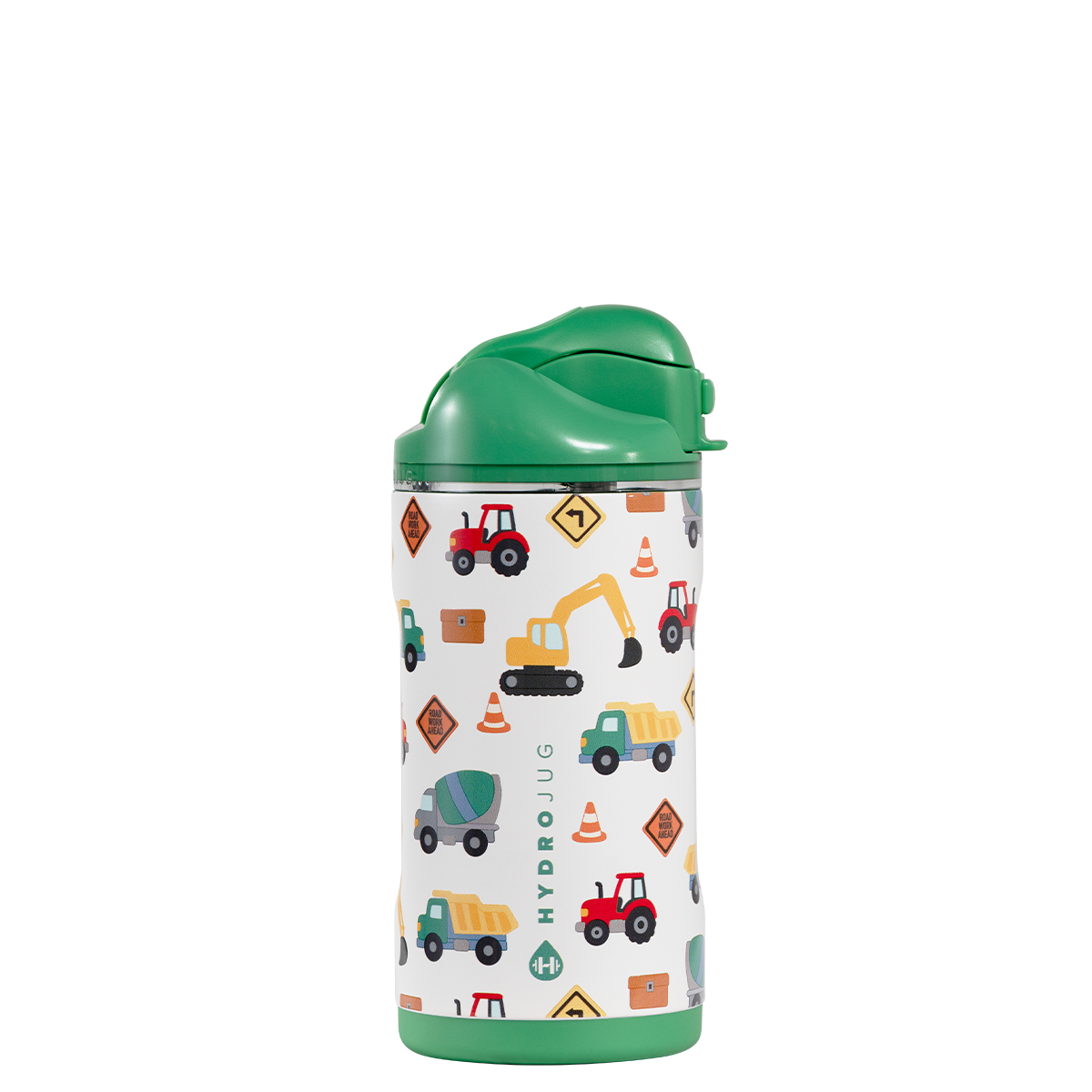
Meets the criteria for younger children directly: 14 oz capacity, soft-touch swivel handle sized for small hands, completely leakproof flip straw lid with a single-motion open, 18/8 stainless steel body, triple-wall insulation, and dishwasher-safe build. The rubber boot absorbs drops – important for a first bottle in the hands of a young child. Not suitable for children under 3 years old due to small components.
Ease2o 14 oz – Best School Water Bottle for Ages 5–9
Designed specifically around school use. The dual-function lid gives children two ways to drink – a No-Perse soft straw for controlled sipping and a chug spout for after PE. The lid lock mechanism prevents backpack leaks, venting technology eliminates pressure sprays, and the water-level window lets both kids and parents monitor intake without opening the bottle. The strongest school-day performer in the lineup.
Sport 20 oz – Best for Active School-Age Kids
The 20 oz capacity handles a full school day for older, more active children. Ergonomic bucket handle for easy carry on the move, compact enough for backpack side pockets and standard cup holders, completely leakproof with the straw down, triple-wall insulation, 18/8 stainless steel. Built for the gym bag, the sports field, and everything in between.
Traveler 20 oz – Best for Daily Adventures
Same performance credentials as the Sport 20 oz with a playful dino design that children respond to. Ergonomic handle, removable silicone boot for extra drop protection, ambidextrous lid for left and right-handed use, completely leakproof, triple-wall insulated. A strong choice for children who are motivated by carrying something they find appealing.
Everyday Tumbler 14 oz – Best for Home and Low-Activity Use
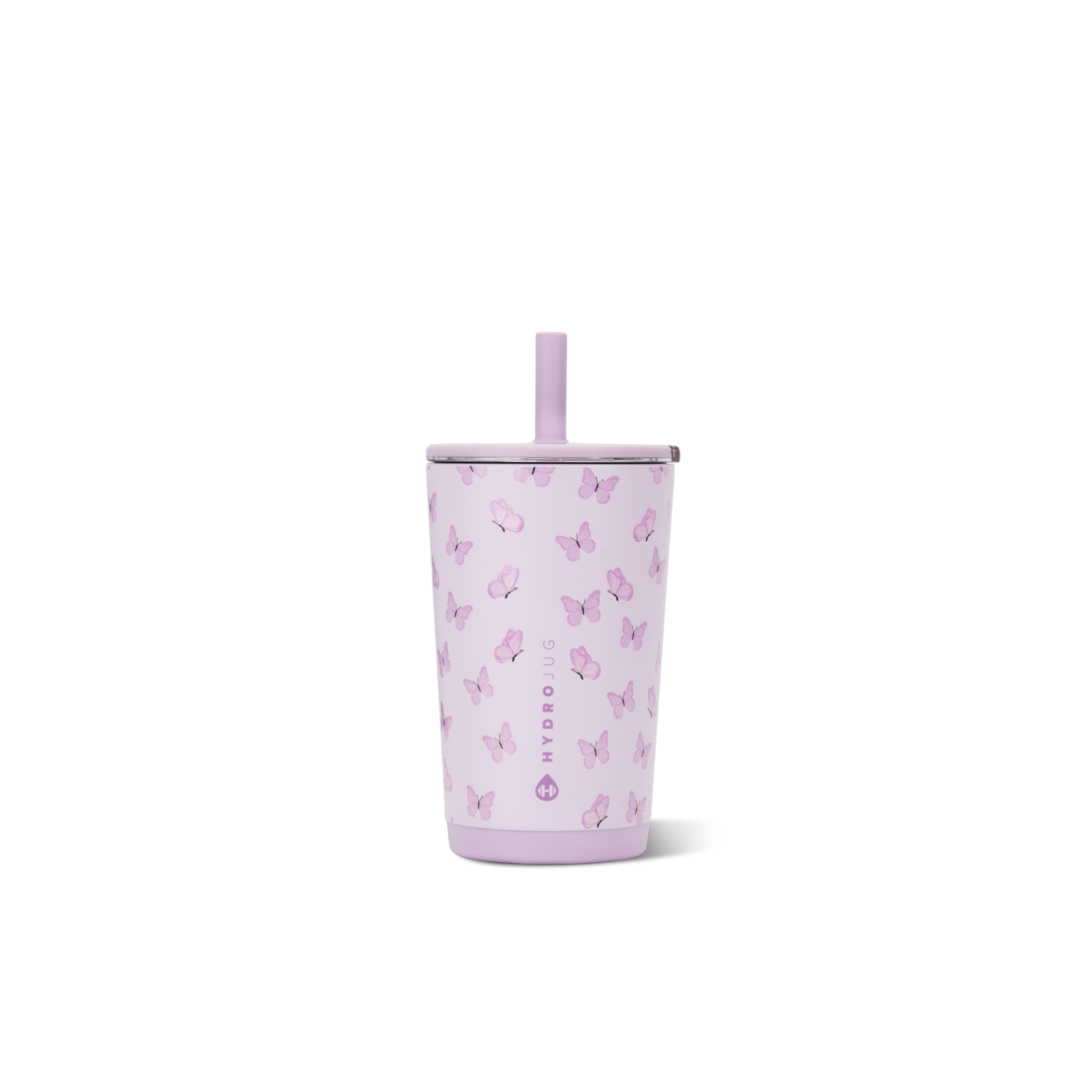
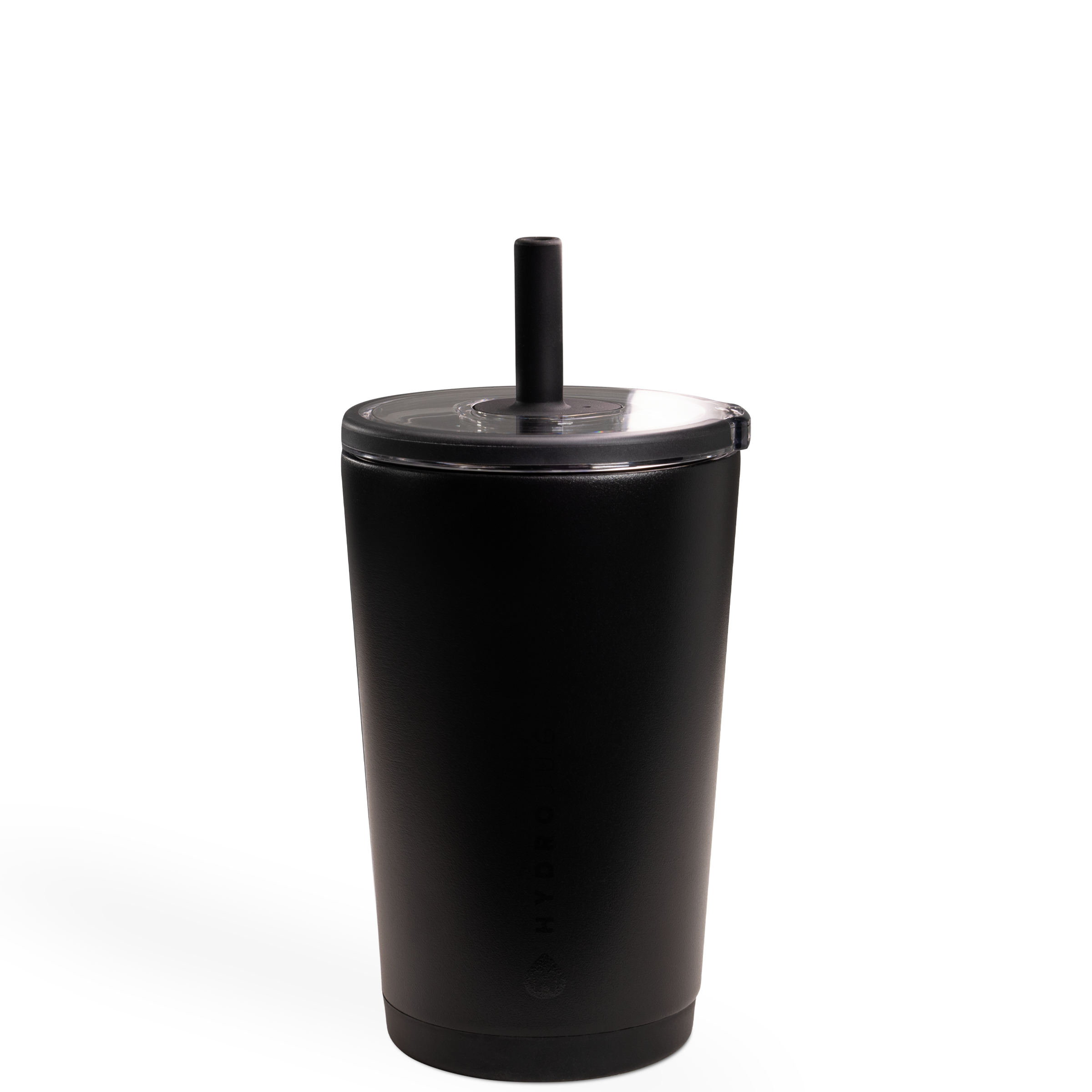
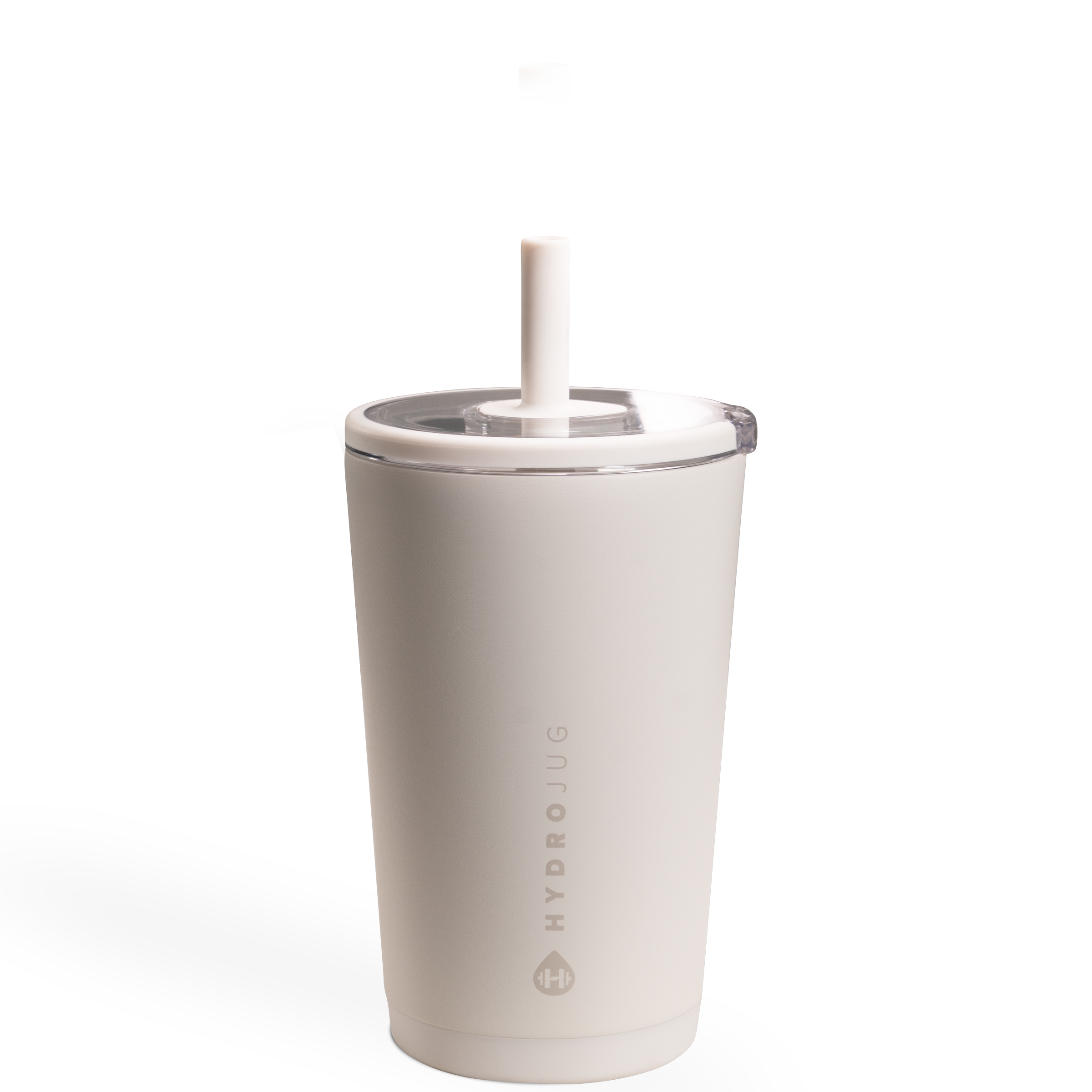
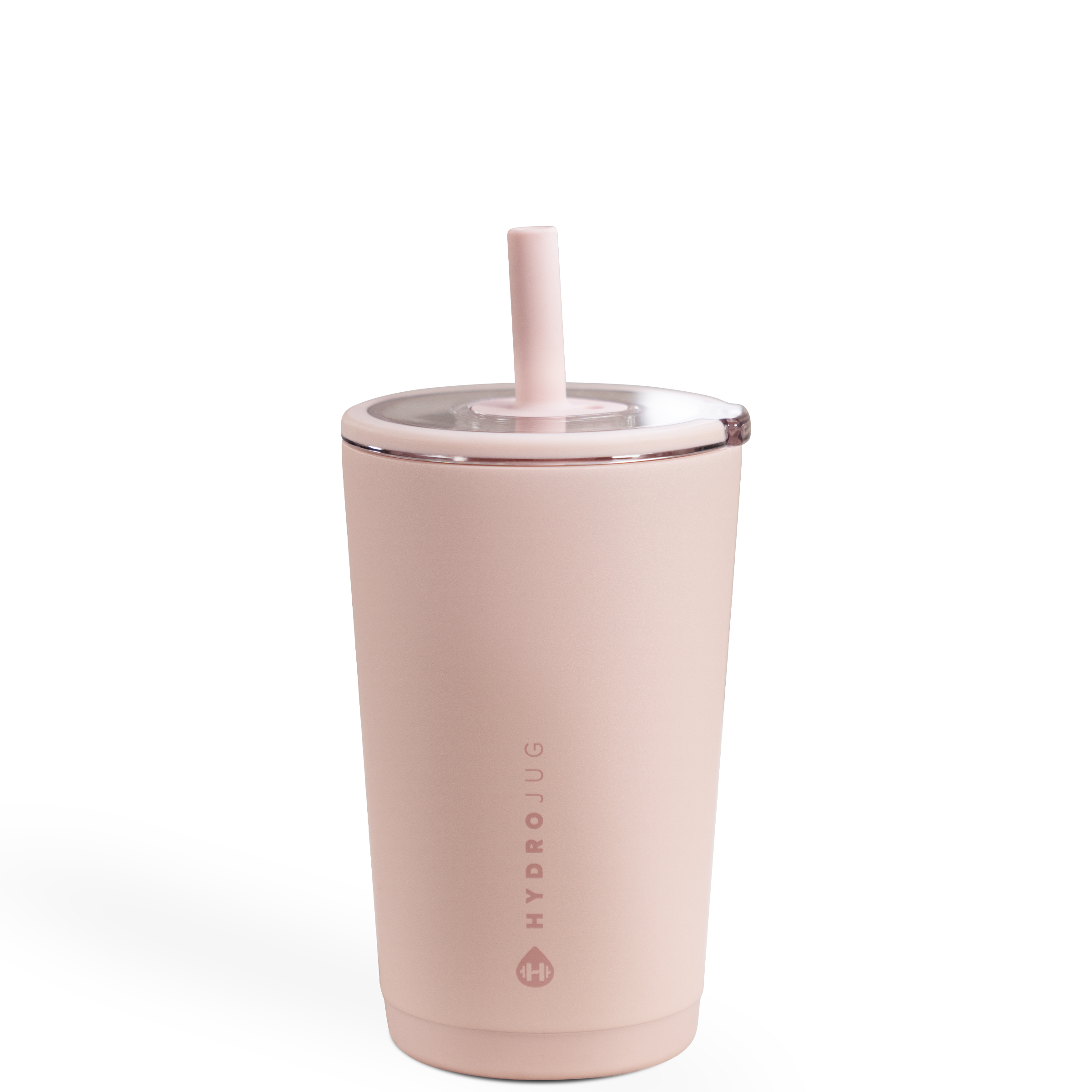
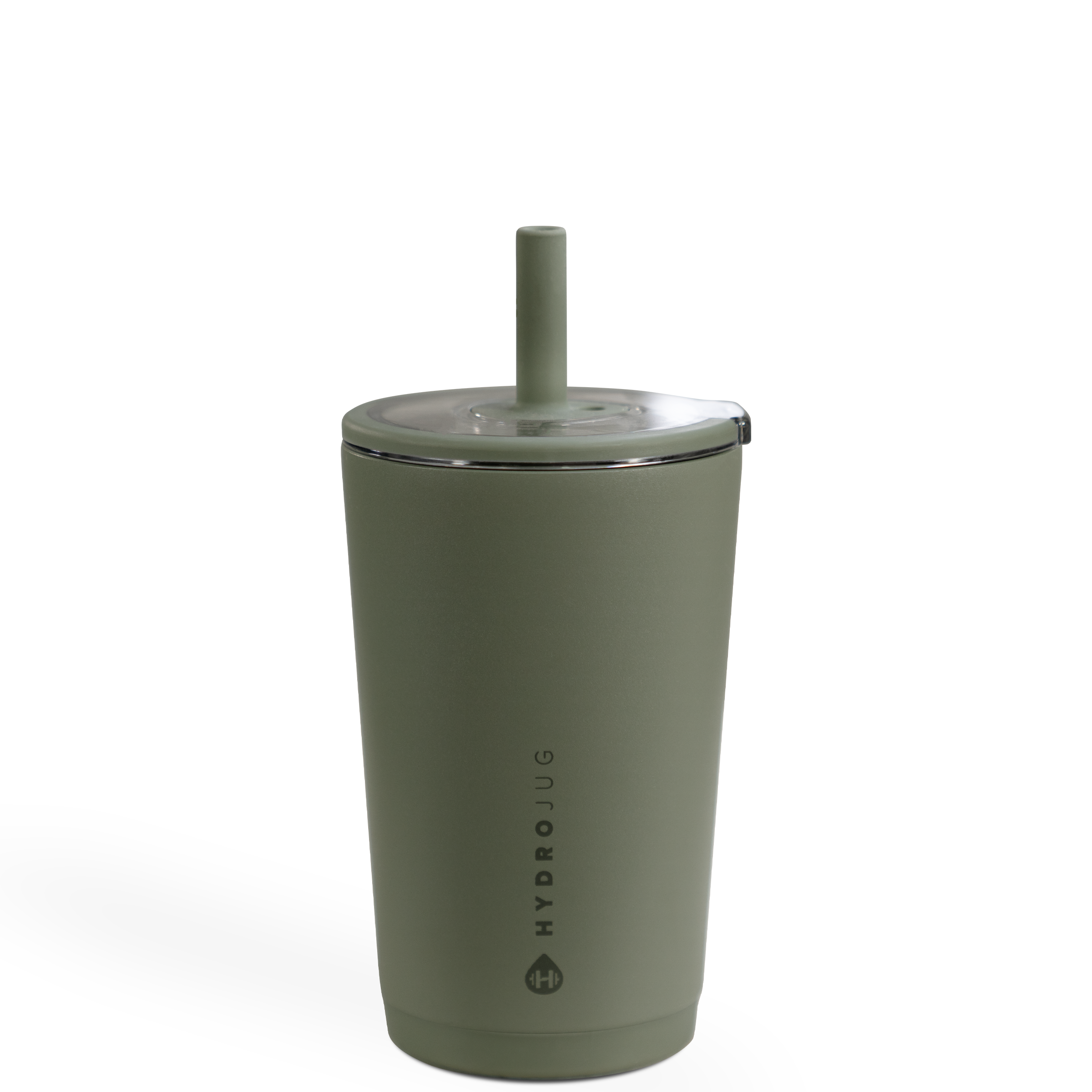
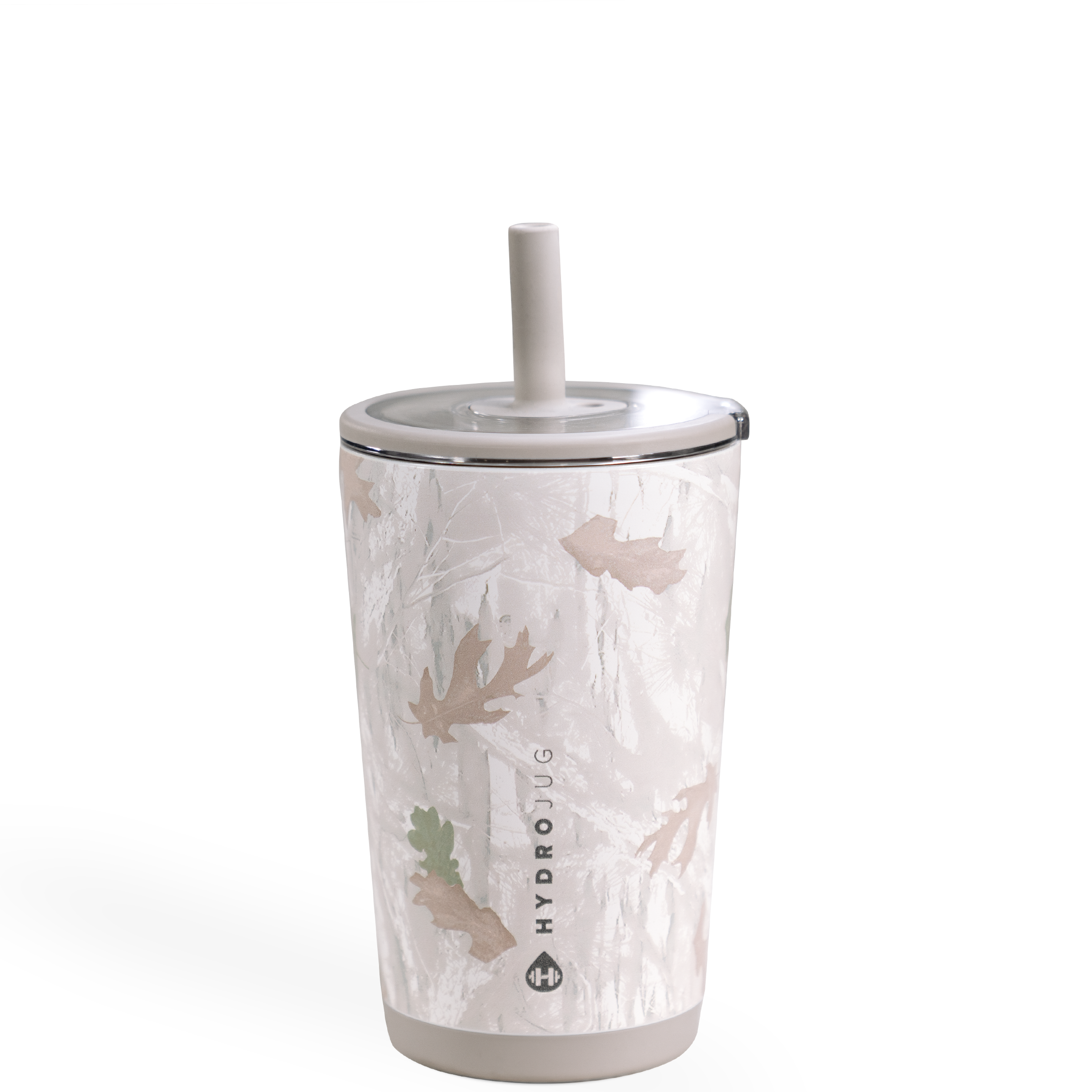
Spill-free lid with a flexible straw, double-wall vacuum insulation, ceramic-lined interior, and a non-slip rubber base. Best suited for home, desk use, and low-activity daily carry rather than school bag transport. A natural complement to a school-ready bottle for children who also want something at home or on the go.
Ready to Choose the Right Kids Water Bottle?
The right bottle is the one that matches your child's age, routine, and how they actually use it day to day. If you're not sure where to start: the Ease2o 14 oz is the strongest school-day bottle in the HydroJug kids lineup. The Sport 20 oz is the best all-rounder for older, active kids. Browse the full HydroJug kids water bottle collection – all stainless steel, all leakproof, all backed by a Limited Lifetime Warranty.
Frequently Asked Questions
The questions parents ask most about kids water bottles – answered clearly.
What should I look for in a kids water bottle?
The five most important factors are material (stainless steel holds up better than plastic long-term), insulation (triple-wall or double-wall vacuum insulation keeps drinks cold all day), leakproof design (confirmed leakproof during transport, not just spill-resistant during use), lid type matched to the child's age and dexterity, and size matched to how long the child needs to stay hydrated without a refill.
What is the best water bottle for kids?
The best kids water bottle is insulated, completely leakproof, made from 18/8 stainless steel, and sized for the child's age and routine. HydroJug offers five kids water bottles across 14 oz and 20 oz – all stainless steel, all leakproof, all BPA-free, and all backed by a Limited Lifetime Warranty. The Ease2o 14 oz is the strongest school-day bottle; the Sport 20 oz is the best all-rounder for older, active kids.
What size water bottle does a child need?
For children ages 3–7, a 14 oz water bottle is the right fit – lightweight enough to carry independently, sized for lunchboxes and car seat cup holders. For school-age children from about age 7 onwards, a 20 oz bottle provides enough capacity for a full school day and after-school activities without being too bulky for a standard backpack side pocket.
Is stainless steel or plastic better for a kids water bottle?
Stainless steel is better in almost every practical way for children old enough to carry it comfortably. It doesn't crack under drops, doesn't absorb flavors or odors, supports vacuum insulation (which plastic can't), and lasts multiple school years. The only meaningful advantage of plastic is lighter weight – a relevant factor for very young children. For most children ages 4 and up, an 18/8 stainless steel water bottle is the better long-term choice.
What is the difference between leakproof and spill-resistant for kids bottles?
A spill-resistant bottle reduces drips when the bottle is upright and in use – it does not necessarily seal during transport. A leakproof bottle maintains a complete seal when lying sideways or upside down in a bag. For school use, completely leakproof during transport is what matters. Always check that the manufacturer specifies 'completely leakproof' with the lid closed, not just 'spill-resistant' during drinking.
What water bottle lid is best for young children?
A flip straw lid is the best choice for young children – it opens with a single motion, closes with a press, and locks flat to create a leakproof seal. Simple enough for children as young as 3-4 to operate independently. Dual-function lids and more complex mechanisms are better suited to school-age children with developed fine motor skills.
What is the best water bottle for school?
The best school water bottle is completely leakproof during transport, easy for children to open and close independently, compact enough for a backpack side pocket or cup holder, and insulated to keep water cold through the school day. The HydroJug Ease2o 14 oz is designed specifically for school use – with a lid lock mechanism, venting technology that prevents pressure sprays, a water-level window, and a dual-function lid with both a soft straw and a chug spout.
How often should I replace a kids water bottle?
A quality insulated stainless steel kids water bottle should last multiple school years with proper care. Plastic bottles typically need replacing every school year as the body develops micro-cracks and the lid seal weakens. If a stainless steel bottle develops a dent that affects the seal, or the lid no longer closes securely, it's time to replace. HydroJug kids bottles are backed by a Limited Lifetime Warranty – if something goes wrong with the bottle itself, it's covered.
Are insulated kids water bottles worth it?
Yes. A non-insulated bottle – single-wall stainless or plastic – will have warm water by mid-morning on most days. Most children won't drink warm water willingly, which means a non-insulated bottle effectively stops doing its job halfway through the school day. Triple-wall or double-wall vacuum insulation keeps water cold from drop-off to pickup without ice packs. For school and active use, insulation is not a luxury – it's what makes the bottle actually useful all day.